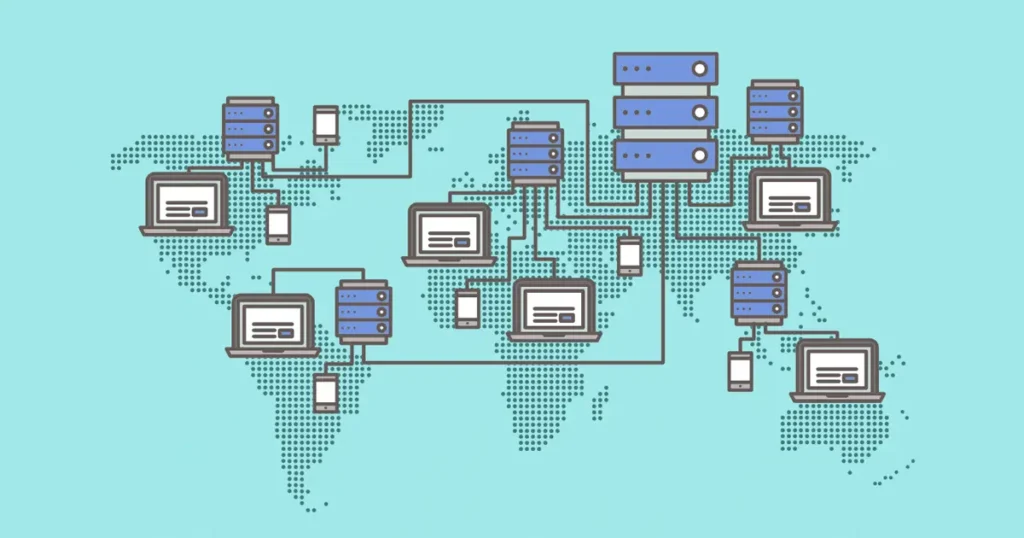
Cybersecurity refers to the practice of protecting computers, networks, programs, and data from unauthorized access, attacks, or damage.
It covers a wide range of areas, including:
-
Network security – Protecting network infrastructure
-
Application security – Securing software from attacks
-
Information security – Protecting sensitive data
-
Cloud security – Securing data stored on cloud platforms
-
Endpoint security – Securing devices like laptops, mobile phones, and IoT devices
Cybersecurity is not just about technology—it also involves policies, procedures, and user awareness to minimize risks.
The Importance of Cybersecurity
In today’s digital world, almost everything relies on internet-connected systems. This makes cybersecurity critical for individuals, businesses, and governments.
1. Protection Against Cybercrime
Cyber attacks like hacking, phishing, ransomware, and malware are increasing. Cybersecurity helps prevent:
-
Data theft
-
Financial losses
-
Identity theft
-
Unauthorized access
2. Protection of Sensitive Data
Organizations store personal, financial, and confidential information. Cybersecurity ensures that this data is:
-
Encrypted
-
Secure from unauthorized access
-
Only accessible by authorized users
3. Maintaining Business Reputation
A data breach can harm a company’s reputation and erode trust among customers. Cybersecurity helps maintain:
-
Customer trust
-
Brand credibility
-
Legal compliance
4. Preventing Financial Loss
Cyber attacks cost organizations millions of dollars. Strong cybersecurity measures reduce the risk of:
-
Ransom payments
-
Regulatory fines
-
Business downtime
5. Ensuring National Security
Governments and critical infrastructure like banks, power plants, and defense systems rely on cybersecurity to protect against cyber warfare and sabotage.
Cybersecurity as a Career
Cybersecurity is not only important for organizations—it’s also a growing and highly rewarding career path.
Why Choose Cybersecurity as a Career?
-
High Demand for Professionals
-
Cyber threats are constantly evolving.
-
Companies, governments, and NGOs need cybersecurity experts to protect their systems.
-
Job roles are abundant worldwide.
-
Attractive Salaries
-
Cybersecurity jobs are well-paying because of the high skill requirement and importance of the role.
-
Entry-level salaries are good, and experienced professionals earn significantly more.
-
Variety of Roles
Some common cybersecurity roles include:
| Role | Description |
|---|---|
| Security Analyst | Monitors systems for attacks, investigates incidents |
| Ethical Hacker / Penetration Tester | Tests systems to find vulnerabilities before hackers do |
| Security Engineer | Designs and implements security measures |
| Security Consultant | Advises organizations on best practices and compliance |
| Incident Responder | Handles cyber attacks and mitigates damage |
-
Opportunities for Growth
-
Cybersecurity professionals can specialize in areas like cloud security, network security, threat intelligence, and forensic analysis.
-
Certifications like CompTIA Security+, CEH, CISSP help boost careers.
-
Global Career Opportunities
-
Cybersecurity is in demand worldwide.
-
Remote work is common, so you can work for international companies without relocating.
-
Job Stability
-
Cybersecurity is a future-proof career because threats will only increase as technology advances.
-
Organizations will continue investing in security, ensuring stable employment.
Summary
-
Cybersecurity is about protecting systems, data, and networks from cyber threats.
-
It is critical for personal, business, and national security.
-
Cybersecurity as a career offers:
-
High demand and job security
-
Good salaries
-
Variety of roles and growth opportunities
-
Global opportunities
-
In short: Cybersecurity protects our digital world and offers a stable, high-paying, and rewarding career path for those willing to learn and adapt.